
Consolidate storage
Evaluate how loose chips occupy bins and floor space, and how briquettes could change collection and staging arrangements.
Turn loose chips into a more manageable material for your next buyer.
SCRAP PROCESSING & METAL RECYCLING
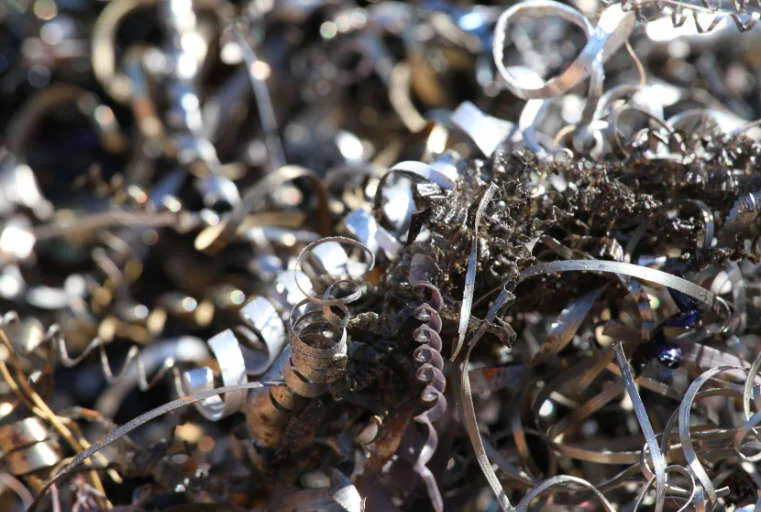
Chips and turnings can take up substantial storage space and complicate loading and transport. Briquetting consolidates that bulk while pressing out fluid that would otherwise remain with the material.
For a scrap processing operation, the equipment needs to fit both incoming material and outgoing requirements. ARS can help evaluate the briquetter, material preparation, and handling around your metal streams and throughput.
WHERE RECOVERY CAN HELP
Density has value when it supports the way you store, move, and sell material. Confirm the commercial and processing requirements together.
Evaluate how loose chips occupy bins and floor space, and how briquettes could change collection and staging arrangements.
Review container changes, loading methods, and shipment requirements. Compare actual handling and freight costs rather than assuming a fixed saving.
Discuss metal grade, contamination, fluid deductions, briquette characteristics, and quoted prices with your mill or recycler before selecting the system.
PLAN THE COMPLETE PROCESS
Identify the metal, chip form, fluid content, and volume of each stream. Separation and preparation requirements help determine the equipment arrangement.
Use representative samples and production information to assess briquette quality and expected throughput. Account for variation in incoming material.
Align collection, weighing, loading, and delivery with your buyer’s requirements. Include recovered-fluid collection in the handling plan.
EQUIPMENT TO EXPLORE
Use these pages to compare equipment and prepare a more focused conversation with the ARS team.
Compare Industrial and Foundry Series equipment against the metals and volumes you handle.
Explore Our BriquettersExplore feeding and handling options for moving material through your processing operation.
Explore Material handlingPlan preparation, compaction, conveying, and fluid recovery as one connected process.
Explore Complete chip systemsMAKE THE CONVERSATION PRACTICAL
Tell ARS about your material, production needs, and recovery goals. We can help evaluate an individual machine or a connected system.
Talk with ARSAPPLICATION QUESTIONS
Pricing depends on the buyer, metal grade, material condition, and market. Obtain quotes for your actual material and confirm acceptance requirements; a briquette premium should not be assumed.
Review the actual container, shipment, weight, and handling requirements. Consolidating loose chips can change storage and loading, but the financial effect depends on your operation and transport arrangements.
Review each stream’s metal, condition, volume, and processing needs with ARS. Keep buyer requirements and material separation in the plan rather than assuming all chips can be handled as one product.